Explore the most popular things to do in South Korea


Try these activities to make your trip more memorable



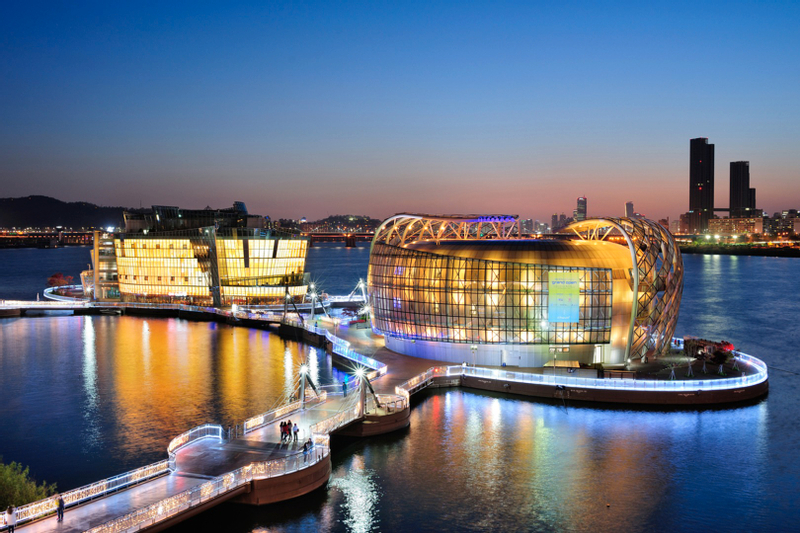
![[DMZ & Art] Peace Gondola (N. Korea View) & Peace Park & Hei Museum 7irkwv2k](https://s-light.tiket.photos/t/01E25EBZS3W0FY9GTG6C42E1SE/rsfit800600gsm/eventThirdParty/2026/03/21/424f29d8-7a9e-4168-8128-0c09356a81fa-1774042383509-191c5e87e806798941939da17e3b674a.jpg)
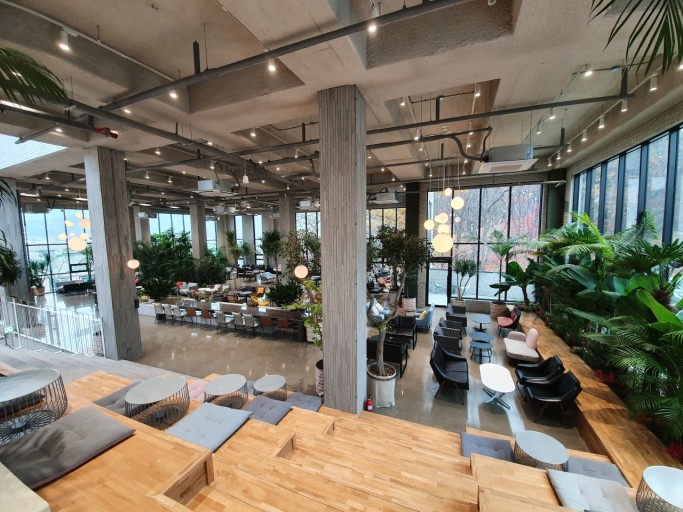

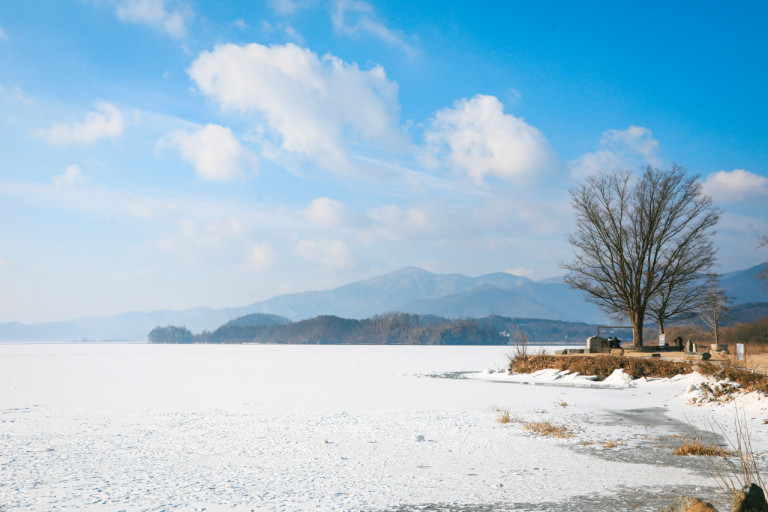
No hassle, no worries. Arrange your trip easily with tour packages
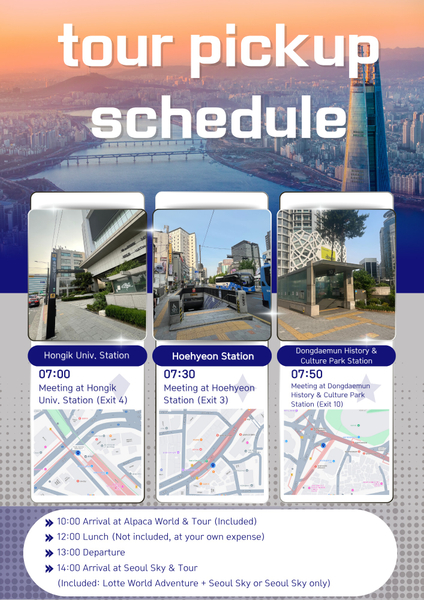
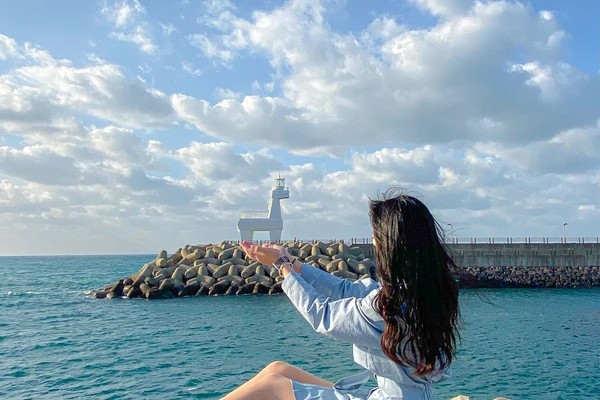
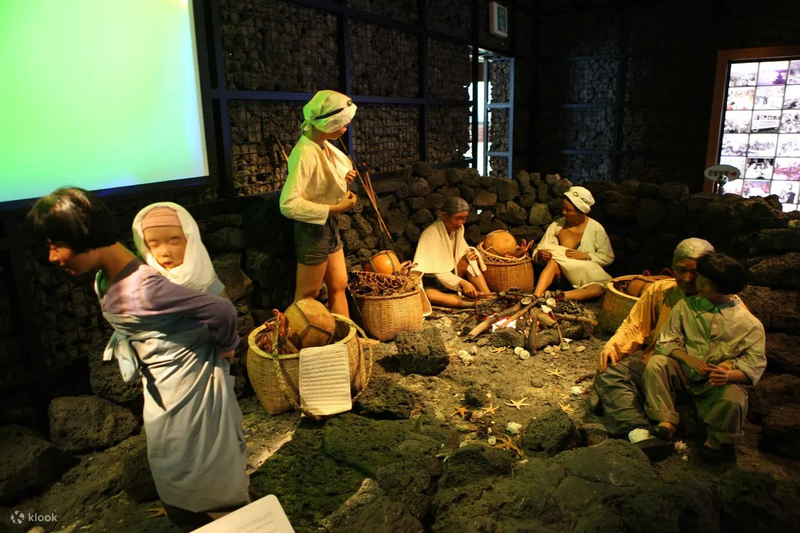
Pamper and refresh yourself with massage and spa treatments
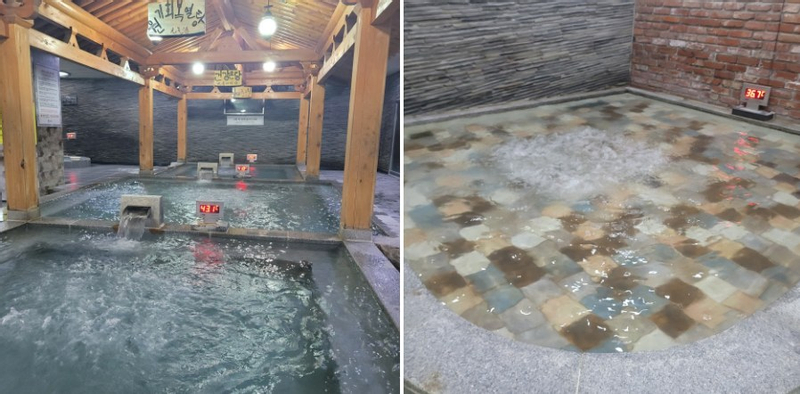
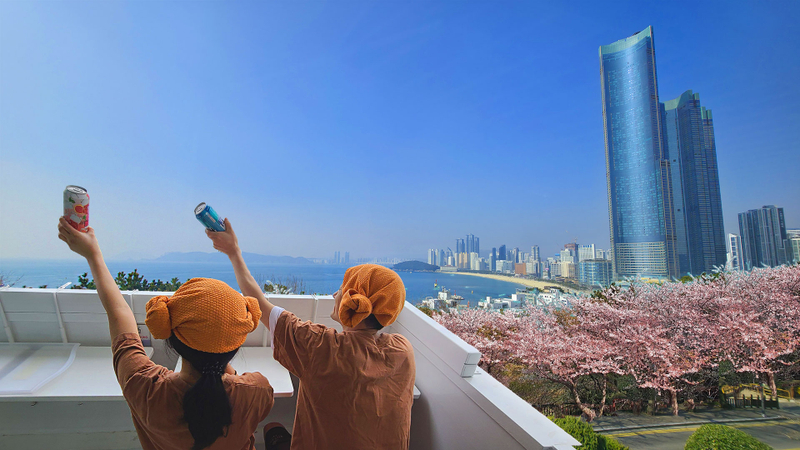










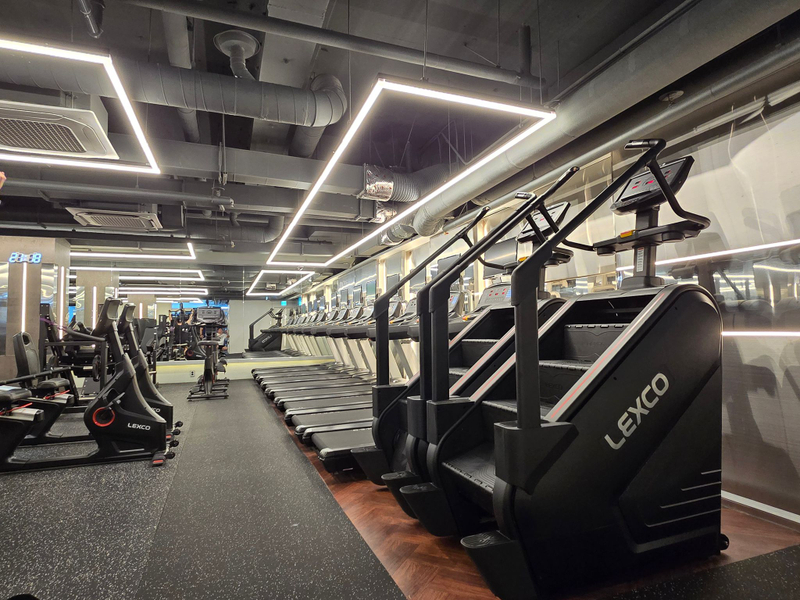
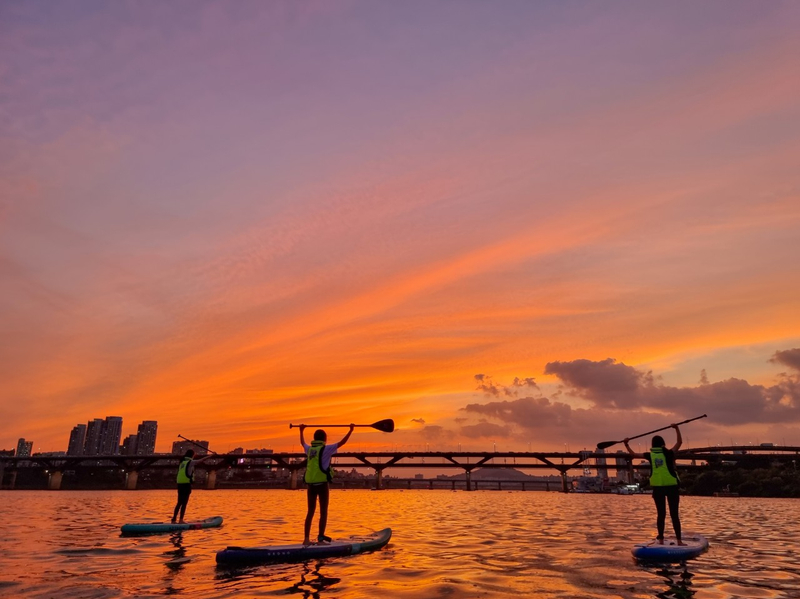
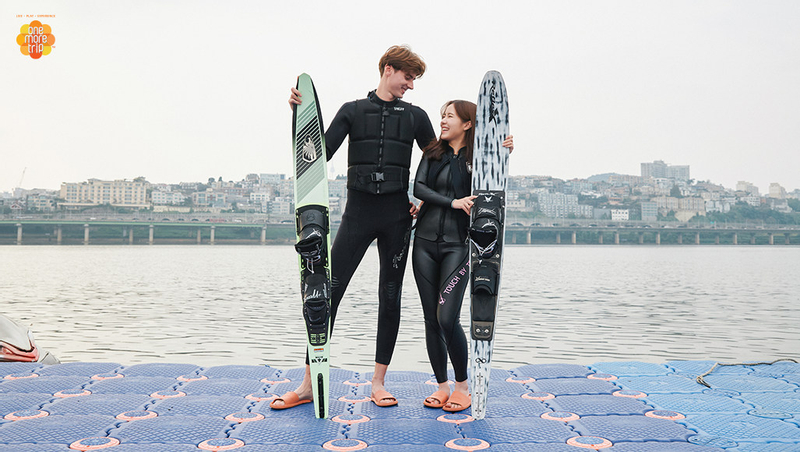
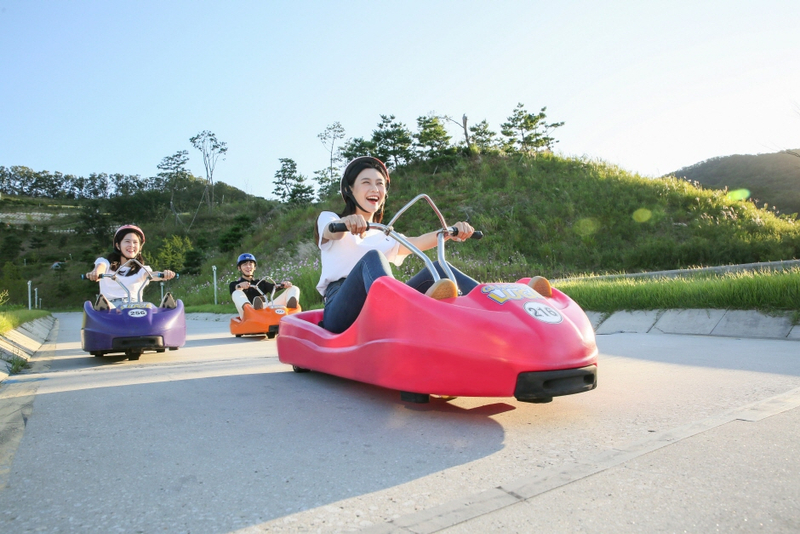
Wanna keep your body fit or get your adrenaline rushing? Let's go!

Recommended Tourist Destinations in South Korea
Known as the “Land of the Morning Calm,” South Korea beautifully blends ancient traditions with cutting-edge modernity. Located in East Asia, the country attracts millions of travelers each year with its captivating mix of K-pop culture, delicious cuisine, scenic nature, and futuristic cities. Korea experiences four distinct seasons—spring, summer, autumn, and winter—each with its own charm. From cherry blossoms to snowy landscapes, every season offers a new reason to visit. Traveling to Korea means discovering harmony between history, innovation, and vibrant lifestyle.
South Korea’s Most Iconic Landmarks and Highlights
- Seoul – The Heart of Modern and Traditional Korea
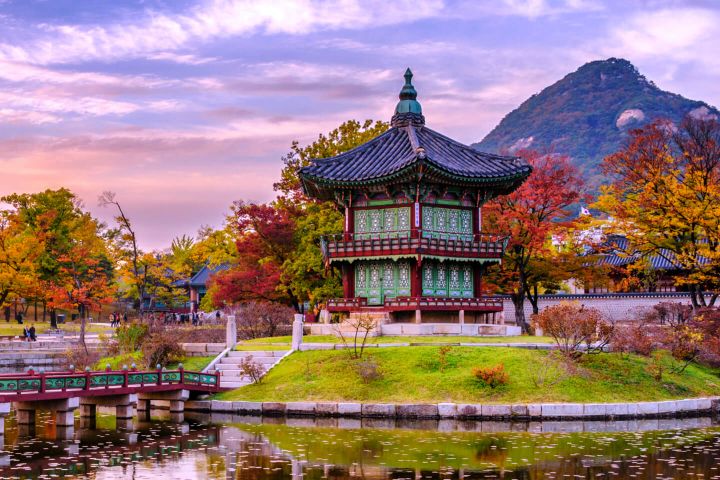
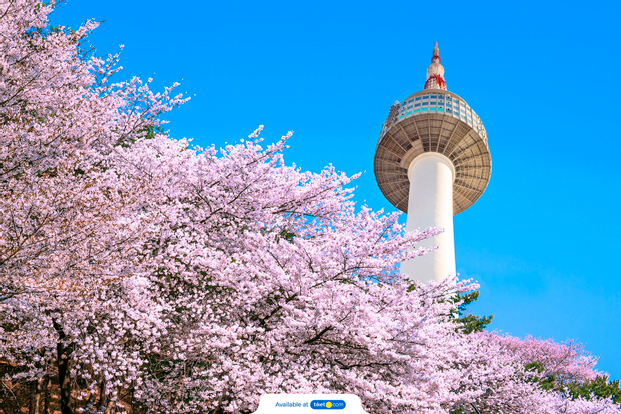
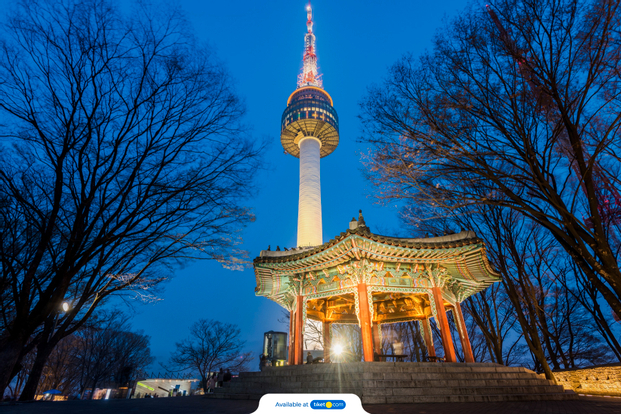
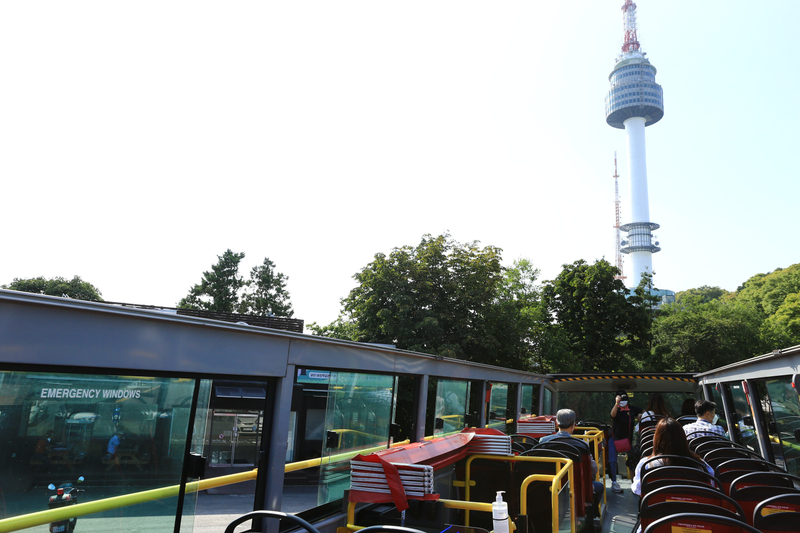
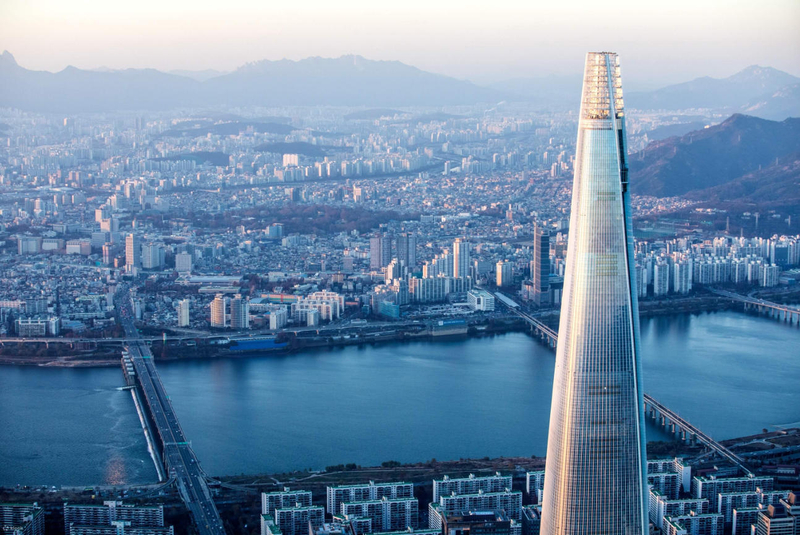
As the capital city, Seoul is the pulse of South Korea’s culture and innovation. The city seamlessly combines skyscrapers with royal palaces like Gyeongbokgung and Changdeokgung. Popular districts such as Myeongdong are known for shopping, Hongdae for art and music, and Gangnam for luxury and nightlife. Don’t miss Namsan Seoul Tower for a romantic panoramic view of the city. - Busan – Coastal Charm and Culinary Paradise
Busan, the country’s largest port city, is famous for Haeundae Beach and Jagalchi Fish Market. Gamcheon Culture Village, with its colorful hillside houses, is a photographer’s dream. Busan also features Haedong Yonggungsa Temple, dramatically perched by the sea. - Jeju Island – The Romantic UNESCO Natural Heritage
Jeju Island is a favorite for couples and families. This volcanic island boasts Mount Hallasan, Cheonjiyeon Waterfall, and beautiful beaches such as Hyeopjae and Jungmun. Visitors can also enjoy Jeju’s orange farms and the iconic stone statues known as Dol Hareubang. In spring, golden canola flowers and cherry blossoms transform the island into a breathtaking paradise. - Gyeongju – The Museum Without Walls
Once the capital of the ancient Silla Kingdom, Gyeongju is rich with historical treasures. UNESCO-listed Bulguksa Temple and Seokguram Grotto reflect Korea’s Buddhist heritage. Visitors can explore royal tombs at Daereungwon Park and enjoy the serene Anapji Pond at sunset. - Incheon – The International Gateway of Korea
More than just the location of the world-class Incheon Airport, the city offers modern attractions and coastal charm. Songdo Central Park features futuristic architecture and scenic boat rides, while Incheon Chinatown highlights Chinese heritage and street food. Wolmido Island is perfect for seafood and seaside leisure. - Nami Island – Four Seasons of Romance
Famous from the drama Winter Sonata, Nami Island is one of Korea’s most romantic destinations. Its tree-lined paths change colors with each season—cherry blossoms in spring, green canopies in summer, golden leaves in autumn, and snow-covered wonderland in winter. Travelers can reach it by ferry or an adventurous zipline from Gapyeong. - DMZ (Demilitarized Zone) – History and Reality of a Divided Land
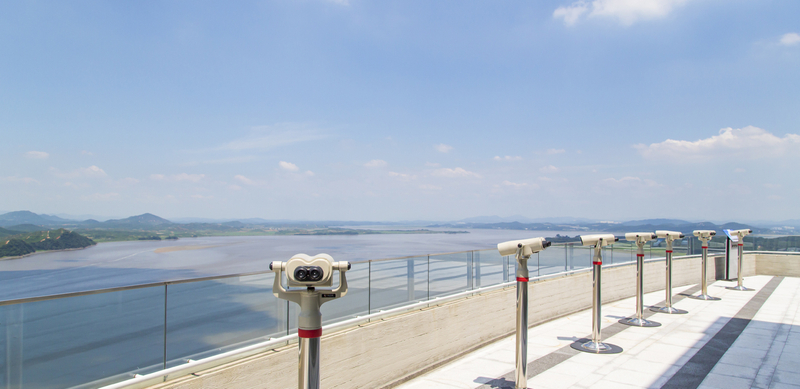
The DMZ, separating South and North Korea, is a unique educational site. Visitors can explore the Third Tunnel, Dora Observatory, and Imjingak Peace Park while learning about the Korean War and ongoing hopes for reunification. - Andong – The Soul of Traditional Korea
Andong is the birthplace of traditional Korean culture. The UNESCO-listed Hahoe Folk Village preserves hanok houses and mask-dance traditions. The annual Andong Mask Dance Festival showcases vibrant performances and cultural heritage. - Suwon – The Fortress City of the Joseon Dynasty
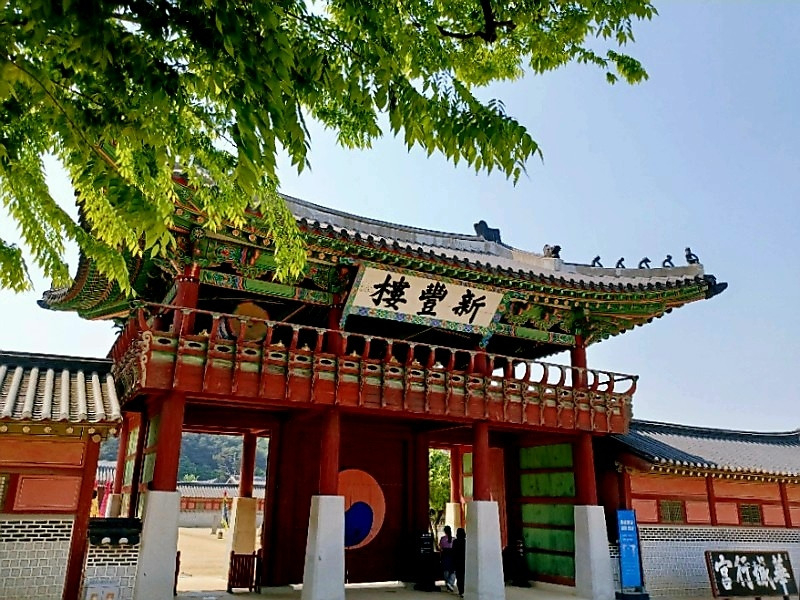
Suwon is home to Hwaseong Fortress, a UNESCO World Heritage Site. Visitors can walk along the fortress walls, rent hanbok for photos, and explore interactive museums that bring Korea’s royal military history to life. - Gangneung – The Coastal Gem of the East Sea
Located in Gangwon Province, Gangneung gained global attention during the 2018 Winter Olympics. Visitors can relax at Gyeongpo Beach, explore Anmok Coffee Street, or visit Ojukheon House, birthplace of scholar Yulgok Yi I. - Everland – The Ultimate Family Adventure
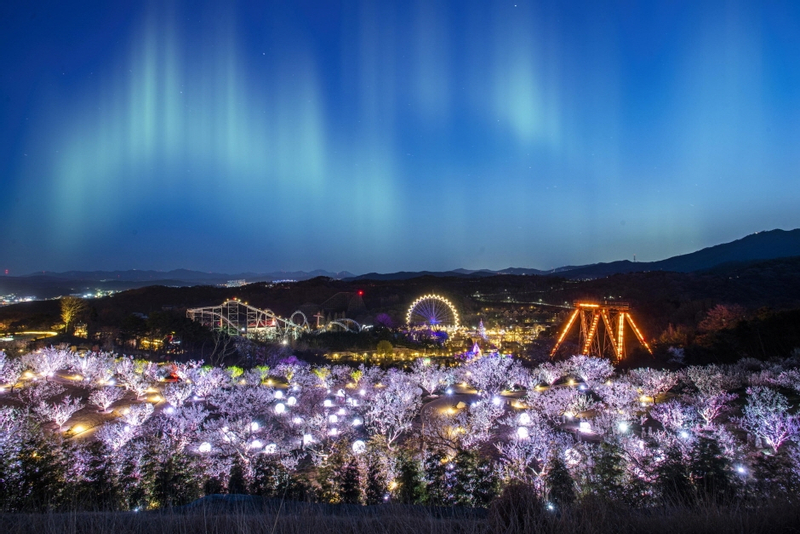
As South Korea’s largest theme park, Everland offers thrilling rides, floral gardens, and safari attractions. Located in Yongin near Seoul, it’s perfect for families and couples looking for a full day of fun. - Bukchon Hanok Village – Tradition Amid Modern Seoul
Nestled between modern neighborhoods, Bukchon Hanok Village preserves hundreds of traditional hanok houses. Visitors can rent hanbok, stroll the cobblestone streets, and experience authentic Korean charm in the heart of the city.
Things To Do in South Korea
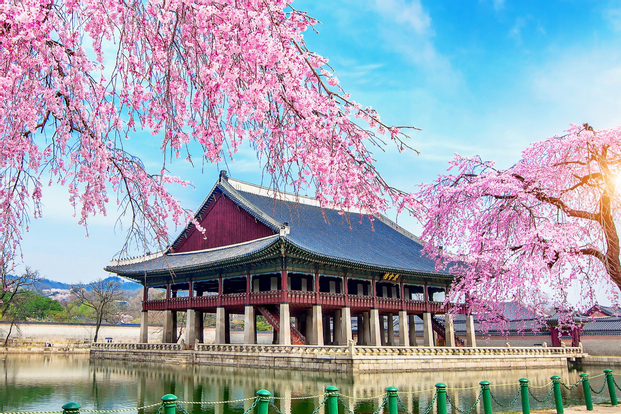
- Walk under blooming cherry blossoms in Seoul or Jeju during spring.
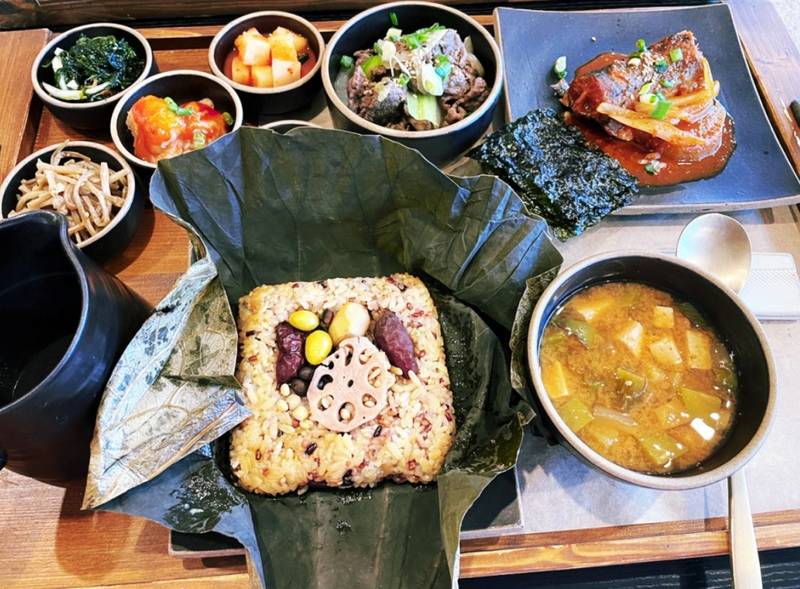
- Taste iconic dishes like tteokbokki, bibimbap, and Korean BBQ.
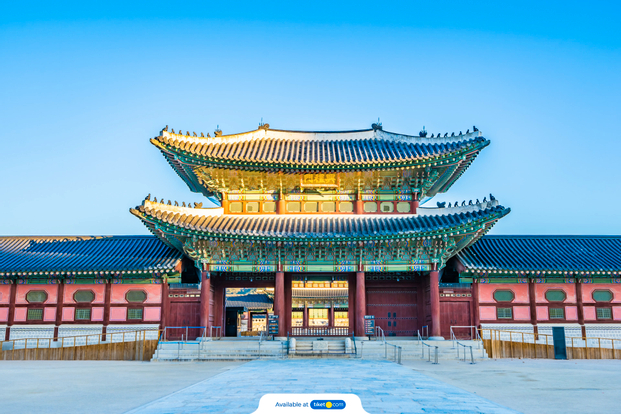
- Wear hanbok and take photos at Gyeongbokgung Palace.
- Relax in a jjimjilbang (traditional Korean spa).
- Explore Hongdae and Gangnam for shopping and nightlife.
- Visit K-pop or K-drama themed cafés.
- Join seasonal festivals like the Boryeong Mud Festival or Seoul Lantern Festival.
- Go skiing in Pyeongchang during winter.
- Take a DMZ tour for a glimpse of Korean history.
- Shop for cosmetics and souvenirs in Myeongdong.
Famous K-Drama Filming Locations
- Nami Island (Winter Sonata) – The tree-lined paths and tranquil atmosphere made this island famous as the setting of one of Korea’s most iconic love stories.
- Bukchon Hanok Village (Personal Taste, Goblin) – Its traditional hanok architecture and scenic alleys have appeared in numerous dramas.
- Deoksugung Stone Wall Road (Goblin) – This romantic walkway in central Seoul is where Kim Shin and Ji Eun-tak shared many memorable scenes.
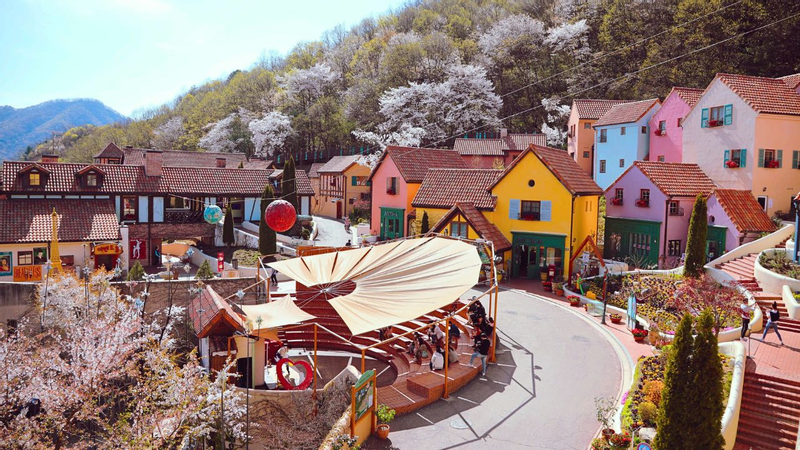
- Petite France, Gapyeong (My Love from the Star) – This colorful French-themed village offers European charm and became popular after its appearance in several hit dramas.
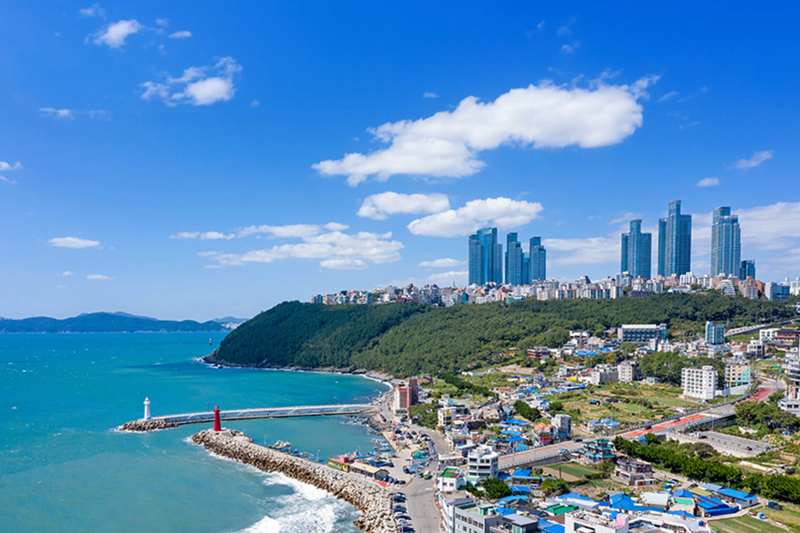
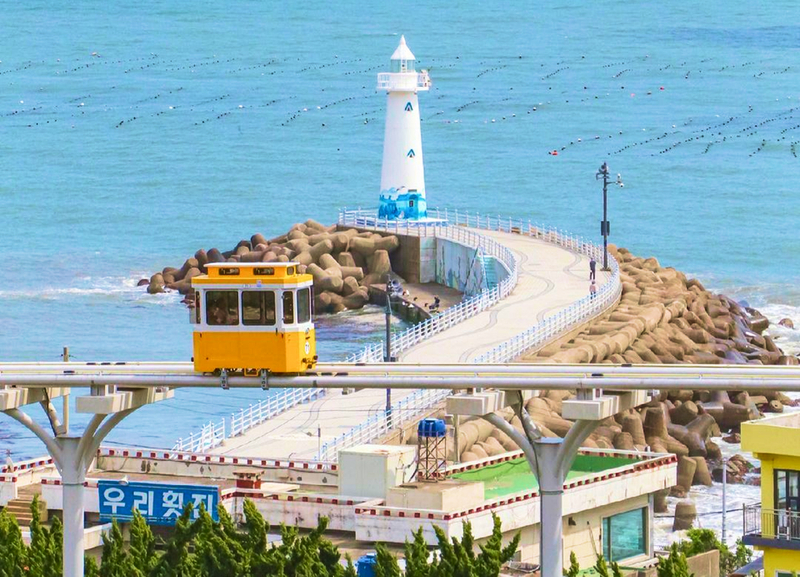
- Jumunjin Beach, Gangneung (Goblin) – The beach with its famous breakwater scene is a must-visit for fans wanting to recreate the iconic meeting of Goblin and Eun-tak.
- Namsan Tower (Boys Over Flowers, My Love from the Star) – Seoul’s most romantic spot often serves as the backdrop for confessions and reunions in K-dramas.
- Changdeokgung Palace (Jewel in the Palace, The King: Eternal Monarch) – One of Seoul’s grandest palaces, often featured in historical and fantasy dramas.
- Ihwa Mural Village (Strong Woman Do Bong Soon) – A colorful hillside neighborhood filled with art murals, often used as a filming site for contemporary dramas.
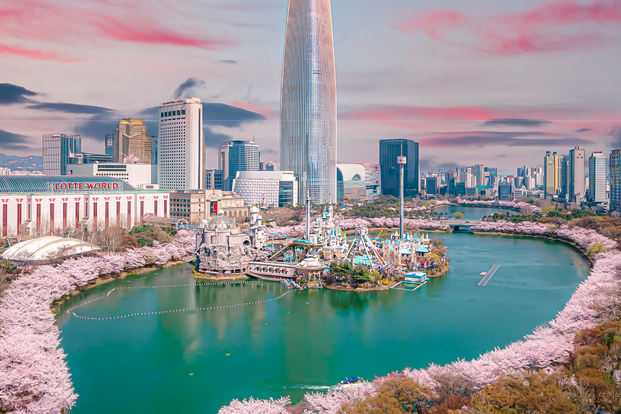
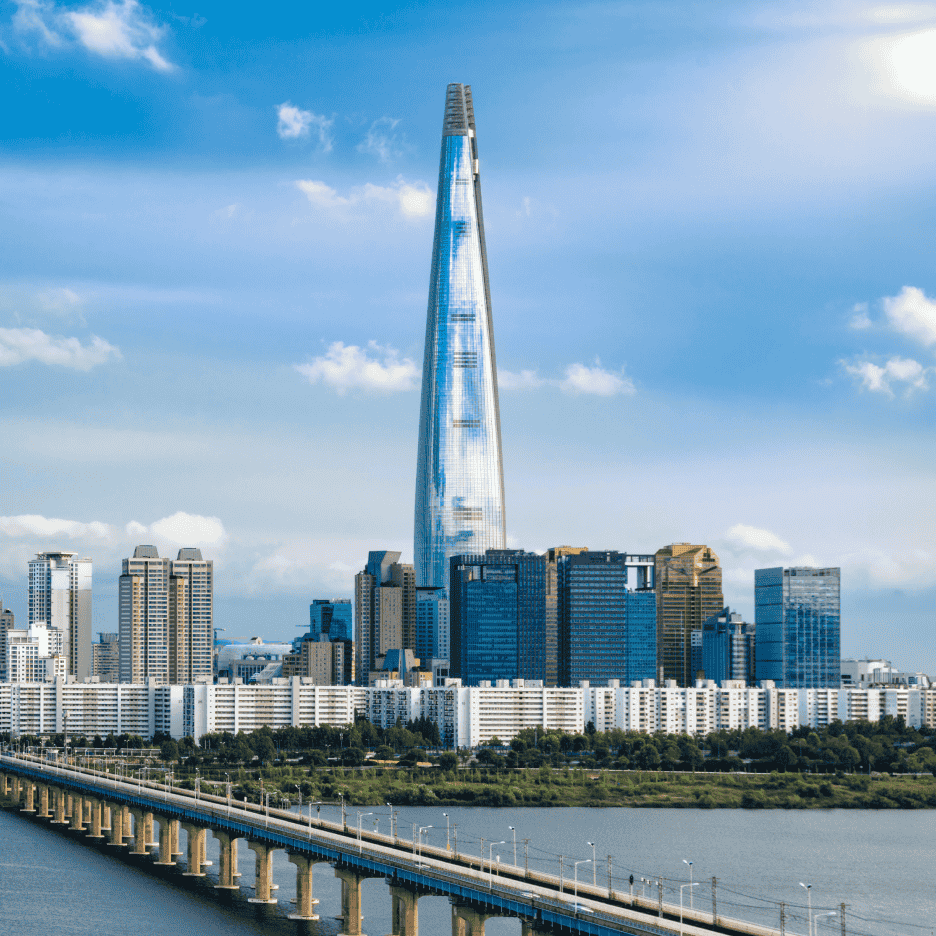
- Lotte World (True Beauty, Stairway to Heaven) – This indoor amusement park frequently appears in romantic comedy scenes.
- Dae Jang Geum Park, Yongin (Kingdom, Moon Lovers: Scarlet Heart Ryeo) – A massive historical drama set built by MBC, offering a full-scale Joseon-era filming experience open to visitors.
- Gyeongbokgung Palace (Mr. Sunshine, Moonlight Drawn by Clouds) – This grand royal palace is a favorite backdrop for period dramas.
- Seoul Forest (Business Proposal, Nevertheless) – A modern, picturesque park perfect for filming romantic date scenes.
- Gamcheon Culture Village, Busan (Fight for My Way) – The colorful stairways and murals of this artistic town bring K-drama scenes to life.
- Jeju Island (Crash Landing on You) – Many breathtaking outdoor scenes, including the famous horse ranch and coastal cliffs, were filmed here.
- Han River Parks (It’s Okay to Not Be Okay, Vincenzo) – A symbol of Seoul life, the riverside is a favorite setting for emotional and heartwarming drama moments.
Public Holidays and Travel Tips
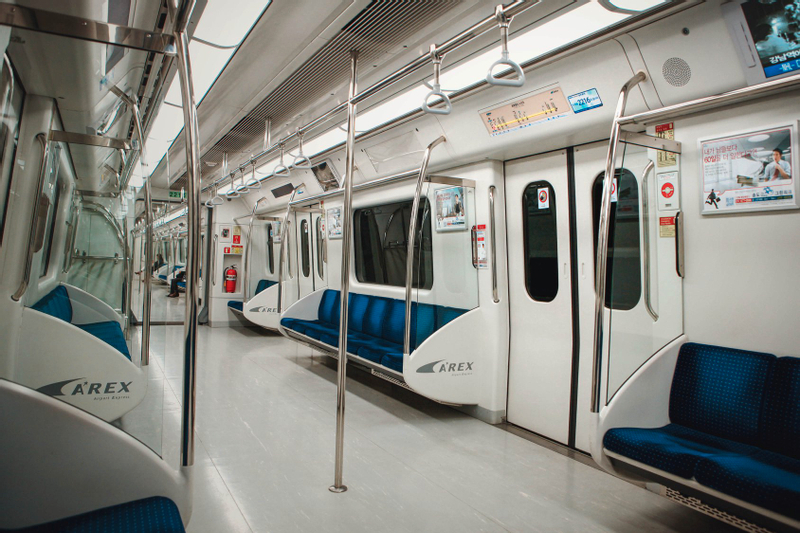
Major holidays in South Korea include Lunar New Year (Seollal), Chuseok (Korean Thanksgiving), and national festivals during spring and autumn. These periods are lively but crowded, so early booking is recommended. Tips: Use public transport such as subways and the KTX high-speed train for convenience. Get a T-money card for easy travel on all public systems. For a cultural stay, try booking a night in a traditional hanok house.
How to Get to South Korea
- By Air: Incheon International Airport (Seoul) is the main gateway with direct flights from around the world. Gimhae Airport (Busan) and Jeju Airport also serve international routes.
- By Sea: Ferries connect Busan with Japanese cities like Fukuoka and Osaka.
- Domestic Transport: South Korea has one of the most advanced transport systems in Asia, including KTX high-speed trains, express buses, modern subways, and frequent domestic flights connecting major cities.

