


Incheon is more than an airport city—think coastal parks, Chinatown history, and island day trips. A little planning around weather, transit, and etiquette makes the stay smoother.
Why Incheon Feels Easy—Until Small Details Bite
Many travelers treat Incheon as a quick stop before Seoul, then get surprised by windy coastal weather, long transfers to island areas, and subtle Korean social norms. This guide focuses on the practical “when, how, and why” so time is spent enjoying markets, sea views, and museums—not fixing avoidable mistakes.
Best Time to Visit Incheon

Incheon’s seaside location means weather swings can feel sharper than inland cities. A day planned around harbor walks or islands can turn uncomfortable fast when wind, rain, or haze arrives.
The solution/tip: Aim for spring (Apr–Jun) and autumn (Sep–Nov) for comfortable temperatures and clearer skies. Summer (Jul–Aug) can be humid with heavy rain spells, while winter (Dec–Feb) brings biting wind—especially around Songdo and Wolmido.
- Peak vs. off-peak: Weekends and Korean public holidays fill up popular spots like Songdo Central Park and Incheon Chinatown. For a calmer vibe, visit on weekday mornings and save shopping or cafes for late afternoon.
- What to pack: Even in mild seasons, a light windbreaker helps near the coast. In summer, quick-dry clothing and a compact umbrella prevent the “soaked and stuck” situation.
- Air quality note: Occasional fine dust affects the wider region. Checking daily AQI and keeping a mask handy can protect plans for outdoor viewpoints.
The benefit: Better timing means more comfortable walking days, clearer photos, and fewer last-minute changes—especially if the itinerary includes islands or waterfront routes.
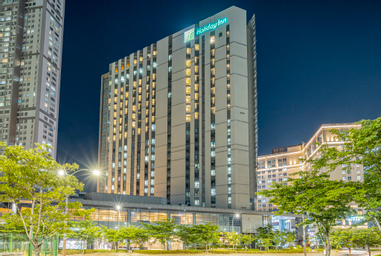

Holiday Inn INCHEON SONGDO by IHG
IHG Deals
THB 6,568.74)
Budget & Cost Incheon
Incheon can look “cheap” compared with central Seoul, but costs vary widely by neighborhood (airport hotels vs. Songdo business area vs. local districts). Without a rough budget, spending leaks into taxis, convenience buys, and overpriced tourist meals.
The solution/tip: Build a simple daily budget with four buckets: accommodation, local transport, food, and attractions.
- Accommodation: Budget hotels/guesthouses often start around KRW 60,000–120,000 per night; mid-range commonly KRW 120,000–220,000. Areas near Unseo (airport) are practical for early flights; Songdo suits modern comforts and parks.
- Food: A convenience-store breakfast can be KRW 4,000–8,000. A casual meal (noodles, kimbap, soup) is often KRW 8,000–15,000. BBQ or seafood meals can run KRW 20,000–40,000+ per person depending on the set and location.
- Attractions/entry fees: Many parks and waterfront areas are free. Museums and curated experiences commonly sit around KRW 3,000–15,000. Keep extra for seasonal exhibitions.
- Buffer money: Add 10–15% for weather detours (extra transit, a warm cafe stop, or a last-minute indoor activity).
The benefit: A realistic range makes it easier to decide where to splurge (seafood near the coast?) and where to save (free parks, markets). For flights and hotels, planning early on tiket.com helps lock in options before popular weekends tighten availability.
Getting Around Incheon
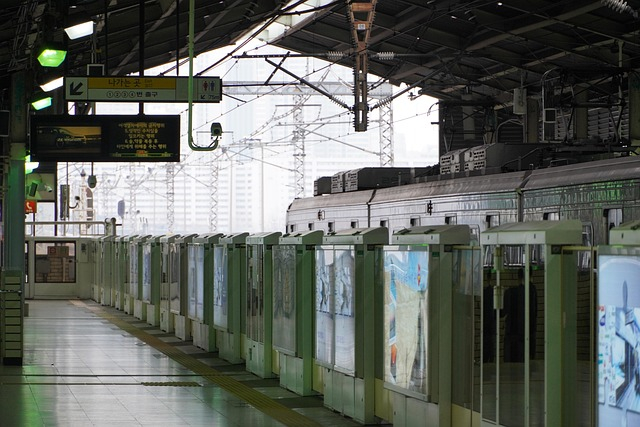
Incheon is spread out: airport zones, coastal leisure areas, Songdo’s modern district, and ports all sit far apart. Relying on “just walk” or spontaneous taxis can waste hours and budget.
The solution/tip: Combine public transit for long moves with short taxi hops when needed.
- Subway/MRT: Incheon’s subway lines connect key districts and link into the wider capital-area network. For most in-city hops, fares often land around KRW 1,400–2,000+ depending on distance. A transit card is the simplest way to tap in/out and transfer.
- City buses: Buses fill gaps where the subway does not. They are efficient but can be confusing at first due to route numbers. Using a navigation app and noting the stop name in Korean improves accuracy. Typical fares are similar to subway ranges.
- Taxis: Useful late at night, with luggage, or for coastal spots where transfers pile up. Short rides might start around KRW 5,000–10,000, while cross-district rides can climb significantly. Always confirm the destination on a map before entering.
- Airport transfers: For early flights, consider staying near the airport or arranging a direct ride rather than risking multiple transfers at dawn.
Hidden gem with high value: For a lower-traffic coastal escape, Sorae Ecology Park offers boardwalk scenery, salt-field views, and a calmer pace than headline attractions. It’s especially rewarding on a clear weekday afternoon—less crowd, more atmosphere.
The benefit: Smart transit choices reduce fatigue, protect the budget, and keep the schedule realistic. Bundling flights, hotels, and time-critical transfers via tiket.com can also make arrival and departure days less stressful.
Cultural Etiquette Incheon
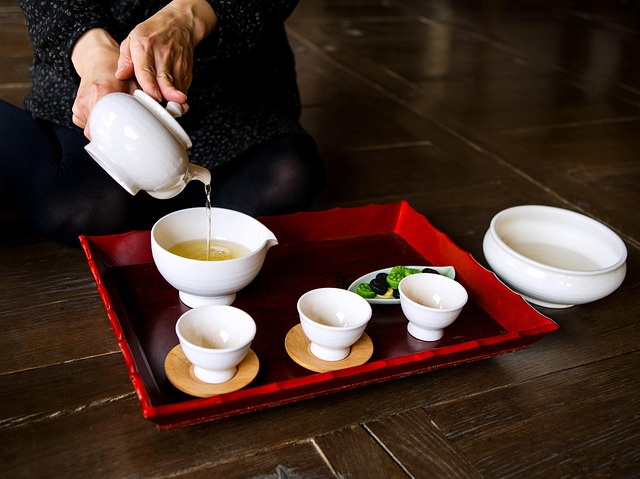
South Korea is welcoming, but everyday etiquette can feel strict to visitors. Small missteps—voice volume, queue behavior, or how items are handed over—can create awkward moments even when intentions are good.
The solution/tip: Follow a few simple norms that cover most situations.
- Two hands matter: When giving or receiving something important (cash, a card, a document, a small gift), using two hands is a sign of respect. At minimum, support the receiving hand with the other.
- Indoor shoes: Some restaurants, guesthouses, and traditional-style places require shoes off. Clean socks help, and stepping neatly into provided slippers avoids confusion.
- Voice and personal space: Public spaces tend to be efficient and quiet. Keeping phone calls low and following escalator flow helps blend in.
- Dress codes: Incheon is modern, but modest, tidy clothing is safest for family spots, memorial areas, and religious sites. Beachwear belongs at the beach; cover-ups are appreciated when leaving the shore zone.
- Dining basics: Waiting until elders start eating is polite in more traditional settings. Sharing dishes is common, so using serving tools when provided is good manners.
The benefit: Respectful behavior leads to warmer interactions, smoother service, and fewer “did that offend someone?” moments—especially in smaller restaurants and local neighborhoods.
What Not To Do in Incheon
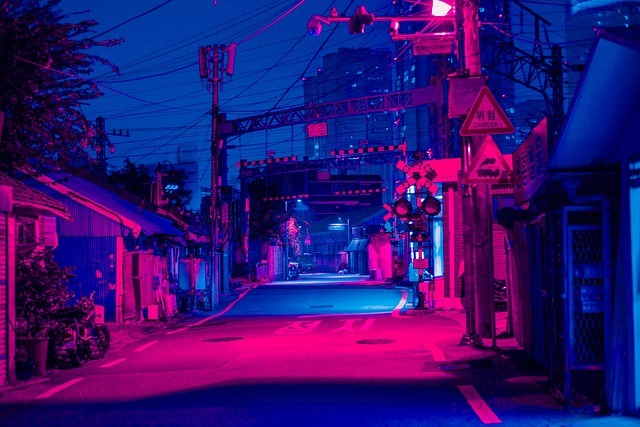
Incheon is generally safe, yet travelers still lose time and money through avoidable mistakes—mostly around transport confusion, tourist-area pricing, and basic courtesy slips.
The solution/tip: Watch for these common pitfalls and adjust habits early.
- Don’t ignore last-train times: Late-night plans near the coast can backfire if the last subway/bus is missed. Check final departures before dinner, not after.
- Don’t assume every taxi is “fastest”: Heavy traffic around bridges and business districts can make taxis slower than subway plus a short walk. Compare routes quickly before committing.
- Don’t overpay in tourist clusters: Busy strips near major attractions may have inflated menus. A simple rule: compare 2–3 nearby places and look for clear pricing before sitting.
- Don’t be careless with cash and cards: Keep small cash for markets and transit top-ups, but avoid flashing large amounts. Use ATMs in well-lit areas like stations or malls.
- Don’t take photos where it’s restricted: Some museums, shops, and cultural spots limit photography. If signage is unclear, asking staff prevents uncomfortable confrontations.
- Don’t litter or eat while walking in sensitive areas: Cleanliness norms are strong. Using bins properly and tidying tables after eating is appreciated.
The benefit: Avoiding these missteps keeps the trip calm, reduces surprise costs, and protects the respectful atmosphere locals value.
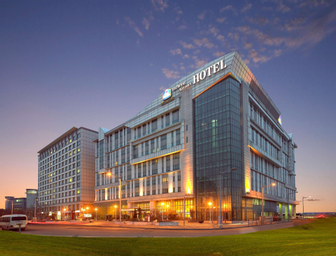
Best Western Premier Incheon Airport
THB 3,207.81)
Plan Incheon Smoothly, Then Enjoy the Coast and Culture
Incheon rewards travelers who plan for the season, build a realistic budget, and move around with the right mix of subway, bus, and occasional taxi. Add a few etiquette basics, and even a short stay can feel surprisingly comfortable—maybe with a quiet afternoon at Sorae Ecology Park between bigger sights.
To keep logistics simple, book flights and accommodation early through tiket.com, then shape the itinerary around weather and transit so the trip stays relaxed from arrival to departure.